If you manage rental homes as a small team, the hard part is often not seeing a repair request. It is making sure the next person has enough detail to do something with it. The best repair requests are short, but complete. They should show what is broken, where it is, what has been done already, and who is handling the next step.
Start with the problem, the place, and the tenant home
Begin with the basic facts first. Write down what is wrong, where it is happening, and which home it belongs to. For example, “Kitchen sink is leaking” is much better than “plumbing issue.” It tells the team what needs attention right away.
Add the unit or home name so no one has to guess. If your team manages more than one rental, that small detail saves a lot of back-and-forth later.
Add the repair status and the next visit
A repair request should also show where the work stands. Is it new, scheduled, in progress, or complete? That gives everyone the same starting point.
Include the visit date or next planned step if you have one. If a contractor is already booked, write that down. If no visit is set yet, say that too. This helps the team see what still needs action.
Name who is handling it
One of the most useful details is the person responsible for the next step. That could be a staff member, a contractor, or another team member. When the owner is clear, the request is easier to follow.
Without that detail, repair work can sit in a gray area. Someone assumes someone else is handling it, and the job slows down.
Keep notes that help the next person decide
Use notes for anything that changes the plan. For example, mention whether the tenant can stay home during the visit, whether parts are needed, or whether the repair was already looked at once before. Keep these notes short and practical.
If photos help explain the issue, keep them with the request. A clear photo can save time, especially when the problem is hard to describe in words.
A simple checklist for each request
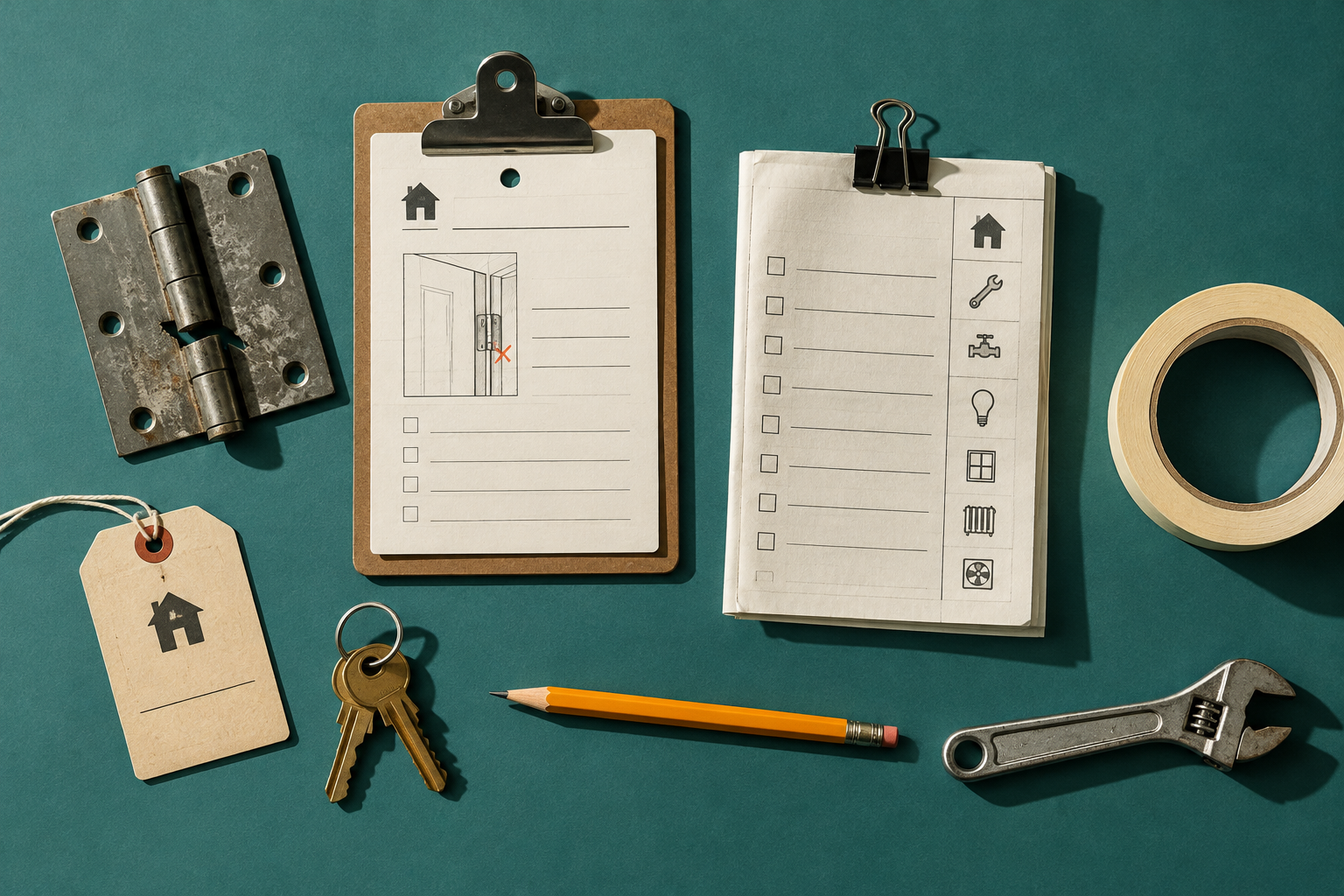
Here is a plain checklist you can use: what is broken, where it is, which unit it belongs to, who is handling it, what the current status is, when the visit is set, and any notes that change the plan.
You do not need a long form to make the request useful. You just need enough detail so the next person does not have to hunt for it.
How a focused workspace can help small teams
Tenant Trees shows repair requests in one place, with the problem, the person handling it, and the visit date together. That kind of layout can make it easier to see what needs attention and what still needs a step.
For a small property team, that can mean less switching between messages, notes, and spreadsheets. It does not fix the repair itself, but it can make the process a little easier to follow and a little easier to hand off.